Disability Ramp Installation Costs
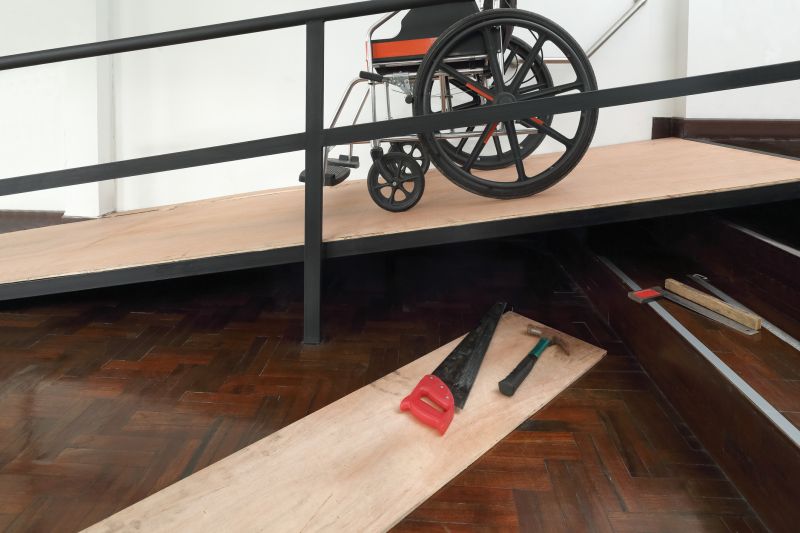
The choice of materials, such as aluminum, wood, or composite, significantly affects the installation cost due to durability and maintenance considerations.
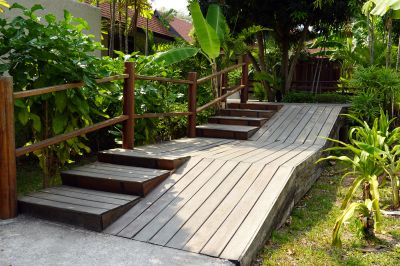
Longer ramps or those with steeper slopes require more materials and precise construction, increasing overall expenses.
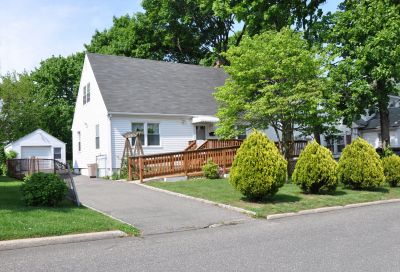
Uneven terrain, existing structures, or accessibility challenges can influence installation complexity and cost.
| Factor | Impact on Cost |
|---|---|
| Material Type | Aluminum tends to be more expensive but requires less maintenance, while wood is cheaper but may need regular upkeep. |
| Ramp Length | Longer ramps increase material and labor costs significantly. |
| Site Accessibility | Challenging terrains or obstacles can add to installation time and expenses. |
| Additional Features | Handrails, non-slip surfaces, and landing platforms add to overall costs. |
| Permitting and Regulations | Compliance requirements can incur permit fees and additional modifications. |
| Labor Costs | Regional labor rates influence total installation expenses. |
| Design Complexity | Custom or complex designs tend to be more costly. |
| Maintenance Requirements | Materials with lower maintenance needs may have higher initial costs but lower long-term expenses. |
The cost of disability ramp installations varies based on the chosen materials, site conditions, and additional features. Typically, basic aluminum ramps can start at a few thousand dollars, while more complex or customized solutions may exceed ten thousand dollars. Proper planning and assessment of site-specific factors ensure that the installation meets accessibility standards while aligning with budget considerations.
Additional costs may include permits, site preparation, and optional features like integrated handrails or non-slip surfaces. It is essential to evaluate these elements during the planning phase to avoid unexpected expenses and ensure compliance with accessibility regulations.
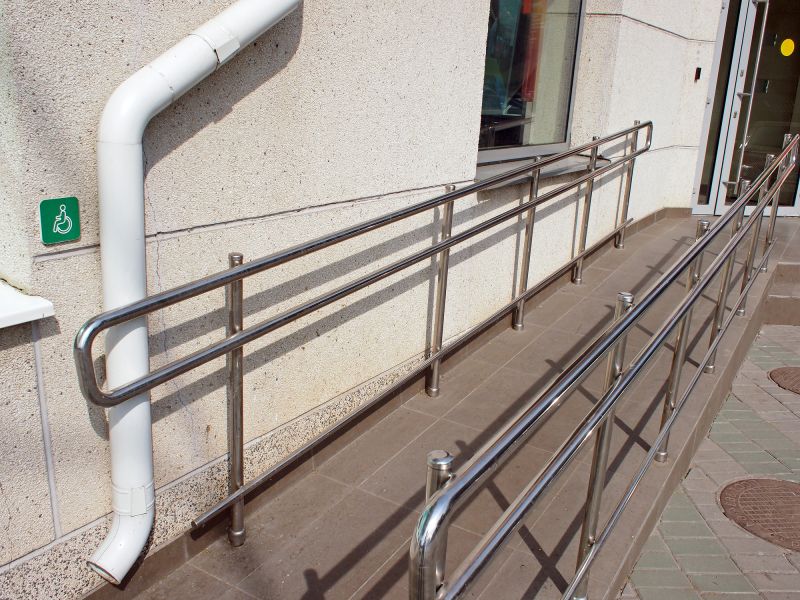
Built-in handrails and non-slip surfaces enhance safety but can add to installation costs.
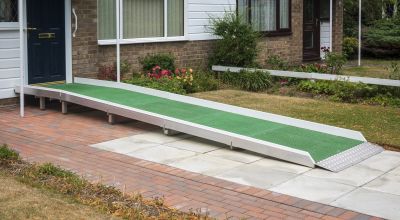
Adding landings improves accessibility and safety but increases material and labor expenses.
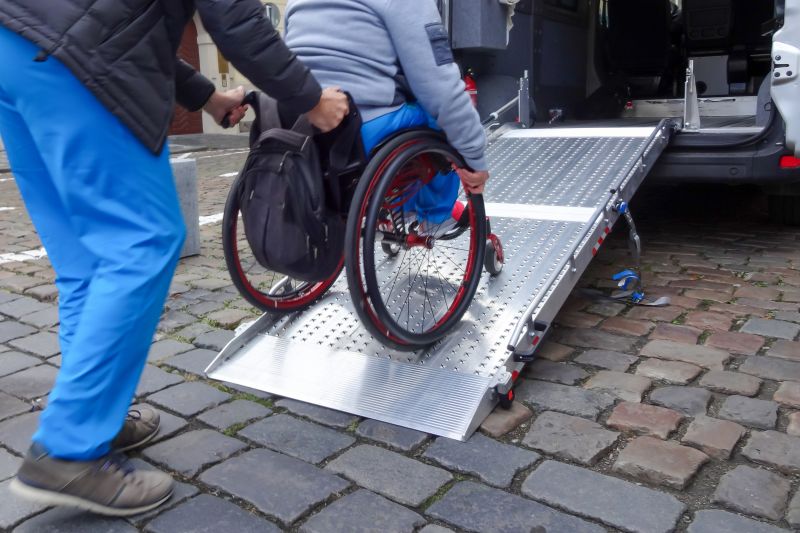
Low-profile thresholds at entry points can reduce overall ramp length and cost.
| Service | Average Cost |
|---|---|
| Basic Aluminum Ramp | $2,500 - $5,000 |
| Custom Wooden Ramp | $4,000 - $8,000 |
| Portable Ramps | $150 - $600 per unit |
| Wheelchair Lift Installation | $5,000 - $15,000 |
| Landings and Platforms | $1,000 - $3,000 |
| Handrail Installation | $500 - $1,500 |
| Slope Adjustment and Site Prep | $1,000 - $4,000 |
| Permitting and Inspection Fees | $200 - $1,000 |
| Non-slip Surface Application | $300 - $800 |
| Maintenance and Repairs | $200 - $1,000 annually |